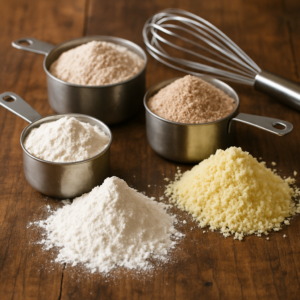
Picking the Right Flour: Understanding Protein Content
A Guide to Selecting Flour for Baking and Cooking.
Choosing the right flour can significantly impact your culinary endeavors. With various types of flour available, understanding protein content is crucial for achieving desired textures in bread, pastries, and other baked goods. This article delves into the relationship between flour types and their protein levels, guiding you to make informed choices for your baking success.
The Science of Flour and Protein Content
The process of flour production begins with milling grains, which are typically wheat, although other grains can be used. During milling, the grains are cleansed, tempered, and ground. The resulting flour varies in texture and protein content, which are crucial to its functionality in cooking and baking. Flour is primarily categorized into two main types based on protein content: hard flour and soft flour.
**Hard flours**, which contain a higher protein content (generally between 10-14%), are ideal for yeast-leavened baked goods such as bread and pizza dough. The protein in hard flour predominantly forms gluten when water is added and mixed; gluten is integral for developing structure and chewiness in these products.
In contrast, **soft flours**, with protein levels usually between 8-10%, are suited for tender baked goods like cakes, cookies, and pastries. The lower protein content results in less gluten formation, yielding a softer texture and crumb.
Understanding the relationship between protein content and gluten development is essential for selecting the right flour. Choosing the appropriate type can mean the difference between a bread that rises beautifully and a cake that crumbles. Thus, the significance of protein content in flour extends beyond mere numbers; it dictates the outcome of your baking endeavors.
Choosing the Right Flour for Your Recipe
When selecting flour for your recipe, it’s essential to consider the protein content, as it directly influences the gluten formation that affects texture and structure. For baked goods requiring a strong structure, such as bread and bagels, choose high-protein flours, typically found in hard wheat varieties. Bread flour, containing 12-14% protein, yields a chewy texture, perfect for these recipes.
Conversely, soft flours, like cake flour with 7-9% protein, are ideal for tender goods such as cakes, muffins, and pastries. These lower protein levels allow for less gluten formation, resulting in a light and airy crumb.
In recipes demanding specific flours, consider common substitutions. For instance, if you lack bread flour, you can mix all-purpose flour with vital wheat gluten to increase its protein content. Alternatively, for a lighter texture in cookies, you might blend all-purpose flour with cake flour, ensuring a delicate balance between chewiness and tenderness.
Variations across global cuisines also demand unique flours; for example, durum wheat flour, rich in protein, is favored for Italian pasta. Understanding these distinctions and protein requirements will help you select the right flour and achieve the desired outcome in your culinary endeavors.
Conclusion
In conclusion, selecting the appropriate flour involves understanding its protein content and how it affects your baking results. High-protein flours are ideal for bread-making, while lower-protein options are suited for delicate pastries. By considering these factors, you can enhance the quality of your baked goods and achieve the perfect consistency.
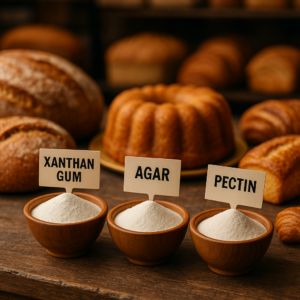
Natural Stabilizers in Industrial Baking
Enhancing Texture and Shelf Life with Nature’s Solutions.
In the industrial baking sector, achieving the perfect texture and extended shelf life is crucial. Natural stabilizers play a vital role in improving the quality of baked goods. This article delves into various natural stabilizers, their benefits, and how they contribute to the success of baking processes.
The Importance of Stabilizers in Baking
In the baking industry, stabilizers play a pivotal role in the production of high-quality baked goods. They enhance texture by providing structure and stability, preventing the undesirable separation of ingredients, and ensuring a consistent product. Additionally, stabilizers contribute significantly to moisture retention, keeping baked items fresher for extended periods. With consumer preferences shifting towards natural ingredients, the use of natural stabilizers aligns perfectly with the growing demand for cleaner labels.
Examples of common natural stabilizers include pectin, which is derived from fruit, and guar gum, sourced from guar beans. These stabilizers not only fulfill technical functions but also resonate with health-conscious consumers. By choosing natural stabilizers, bakers can produce goods that meet modern dietary demands while maintaining the quality and longevity expected from industrial baking. This harmonious blend of functionality and consumer preference underscores the importance of stabilizers in today’s baking landscape.
Conclusion
Natural stabilizers offer numerous advantages in industrial baking, including improved texture, moisture retention, and prolonged shelf life. By adopting these effective solutions, bakers can enhance product quality while catering to health-conscious consumers. The future of baking lies in the innovative use of these natural ingredients.
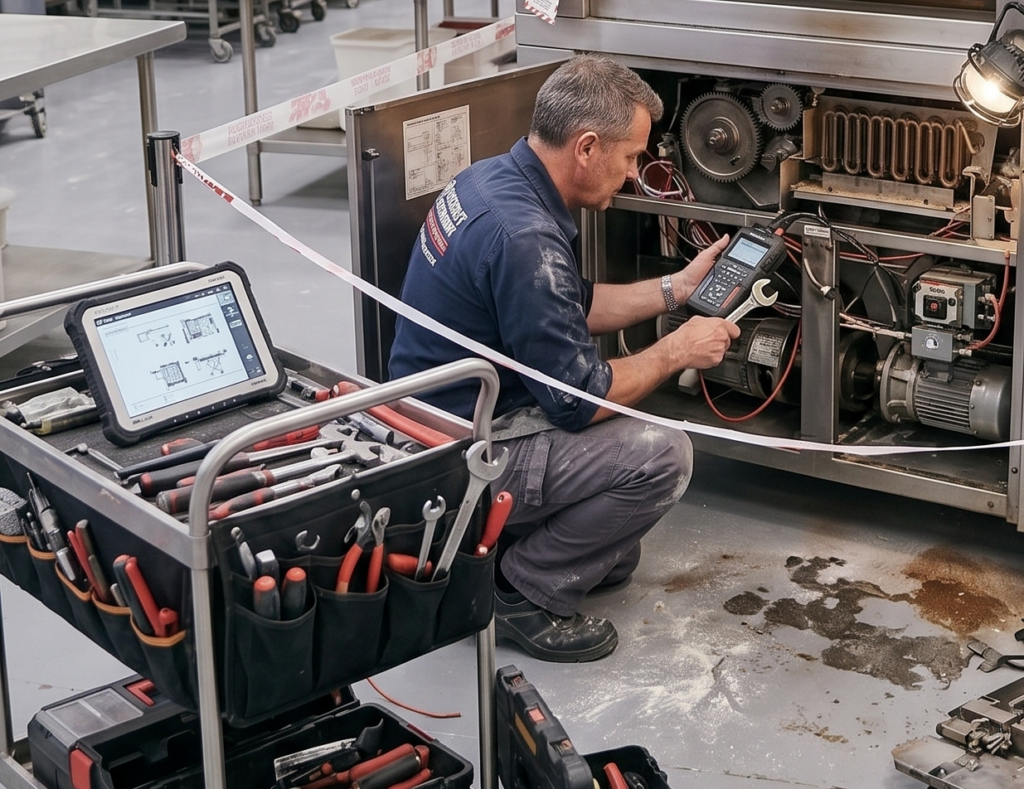
Effective Routine Maintenance Planning for Industrial Bakeries
Ensuring Efficiency and Quality through Preventive Care.
Routine maintenance planning is vital for industrial bakeries to ensure optimal operation and product quality. This article explores the importance of establishing a systematic maintenance routine, detailing strategies for effective execution, and highlighting the benefits that come from preventive measures in an industrial bakery setting.
Understanding Routine Maintenance in Bakeries
Routine maintenance in industrial bakeries encompasses systematic practices aimed at preserving equipment functionality and ensuring consistent product quality. Essential equipment, including ovens, mixers, and refrigeration units, demands regular attention due to their pivotal roles in production. Neglecting routine upkeep can accelerate wear and lead to unexpected breakdowns, which may disrupt operations and inflate costs.
Key maintenance tasks include thorough cleaning to prevent buildup that can affect performance, lubrication of moving parts to reduce friction and wear, regular inspections to identify potential issues early, and timely replacement of worn components. Maintaining a detailed log of these activities is crucial: it not only tracks performance and compliance but also enhances the accuracy of maintenance scheduling. This systematic approach not only prolongs equipment lifespan but also safeguards production quality and efficiency.
Planning and Implementing Maintenance Strategies
Creating an effective maintenance plan for industrial bakeries requires systematic steps tailored to unique operational needs. First, establish a maintenance schedule based on equipment usage patterns and manufacturer guidelines. A maintenance calendar should be set up to log routine tasks, aligning them with production schedules to minimize disruptions.
Assign responsibilities clearly among staff; designate team members for specific equipment monitoring and checks. Regular staff training is crucial, empowering employees to identify early signs of trouble and perform basic maintenance tasks. Implementing maintenance management software can enhance tracking, allowing for timely access to maintenance logs and scheduling.
For instance, a bakery that adopted a maintenance software solution saw a 20% reduction in equipment downtime. By seamlessly integrating training and systematic planning, bakery operations can greatly improve, ensuring quality and efficiency remain high.
Benefits of Preventive Maintenance in Bakery Operations
Implementing preventive maintenance in industrial bakeries offers a multitude of benefits that significantly impact operations. Firstly, regular maintenance plays a crucial role in reducing equipment failures. Predictive checks and timely services help identify potential issues before they escalate, thereby minimizing unexpected breakdowns that can halt production. This proactive approach leads to fewer costly emergency repairs, allowing budgets to be allocated more strategically.
Additionally, preventive maintenance enhances operational efficiency by keeping machinery operating at optimal performance. Consistent maintenance ensures that equipment runs smoothly, which not only shortens production times but also maintains the energy efficiency of the systems involved. The result is improved product quality and consistency, as regular checks allow bakers to achieve uniform results across batches.
Moreover, investing in routine maintenance can have a positive influence on labor costs. With a well-maintained environment, workers spend less time on emergency fixes and more on productivity-focused tasks. Improved workplace conditions also lead to safer environments. Equipment that is routinely checked is less likely to malfunction, which can protect employees from potential accidents.
Ultimately, the commitment to preventive maintenance not only enhances the operational framework of bakeries but also supports customer satisfaction and strengthens brand reputation. By ensuring the quality and consistency of their products, bakeries can cultivate a loyal customer base that trusts their offerings.
Conclusion
In conclusion, implementing a well-structured routine maintenance plan in industrial bakeries is essential for optimizing performance and maintaining product quality. By prioritizing preventive measures and regular inspections, bakeries can enhance efficiency, reduce downtime, and ensure a consistent output of high-quality products, ultimately supporting business growth and customer satisfaction.
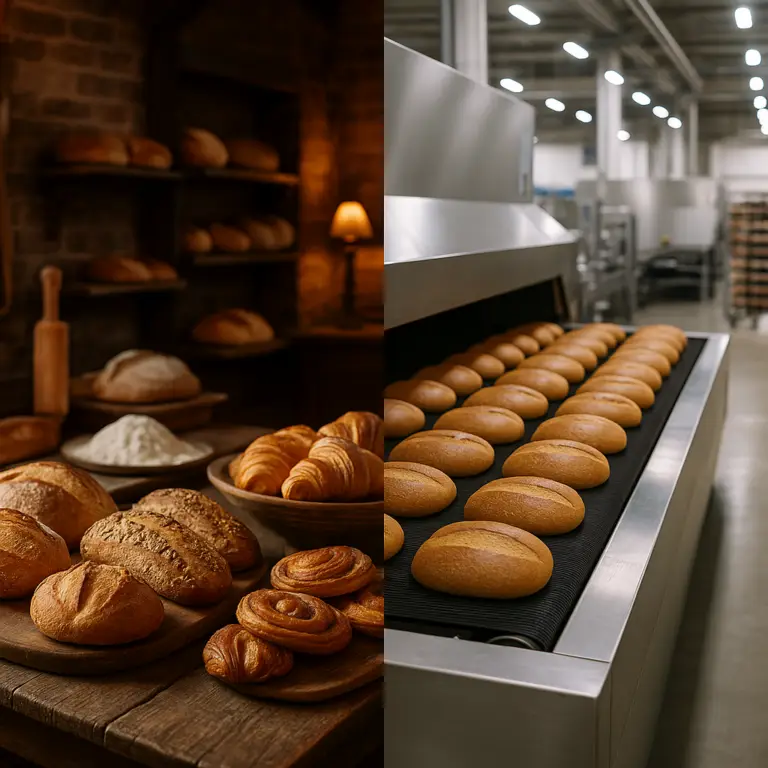
Transforming from an Artisanal Bakery to an Industrial Bakery
Navigating the Path to Mass Production While Maintaining Quality.
The journey from an artisanal bakery to an industrial bakery represents a significant transformation in production methods and business dynamics. This article explores the challenges and strategies involved in this evolution, focusing on how bakers can sustain their craftsmanship while scaling operations for a larger market.
Understanding Artisanal Baking
Artisanal baking is defined by a commitment to high-quality ingredients, meticulous techniques, and the love poured into each small batch. Every loaf, pastry, or pie emerges from a blend of skill and tradition honed over time. This dedication creates not just baked goods, but unique expressions of culture and craft, appealing to consumers who seek authenticity and uniqueness. Renowned artisanal bakeries like Tartine and Poilâne have inspired local communities and set benchmarks in the baking industry, showcasing how a focus on quality can influence broader trends and foster community connections. This reverence for craftsmanship enriches the consumer’s experience, making each bite a celebration of the baker’s art.
The Transition to Industrial Baking
Transitioning from an artisanal bakery to an industrial bakery requires a delicate balance of scaling operations while preserving quality. Key considerations include investing in advanced technology for high-volume production, such as automatic mixing and baking systems. Emphasizing rigorous quality control measures ensures that each product matches the artisanal standard. Establishing a strong brand identity helps maintain the connection to artisanal roots, appealing to consumers who seek authenticity even in mass-produced goods. However, challenges arise in consistency, where even slight variations can affect customer trust and satisfaction. Collaborating with skilled bakers during this transition keeps the artisanal spirit alive, fostering a culture that values craftsmanship alongside efficiency.
Conclusion
In conclusion, the shift from an artisanal to an industrial bakery involves strategic planning, embracing technology, and maintaining the essence of quality products. By finding a balance between scale and craftsmanship, bakers can thrive in a competitive market, delighting both loyal customers and new consumers alike.
Understanding Flour Consistency in Industrial Baking
A Comprehensive Guide to Achieving Optimal Results in Bakery Production.
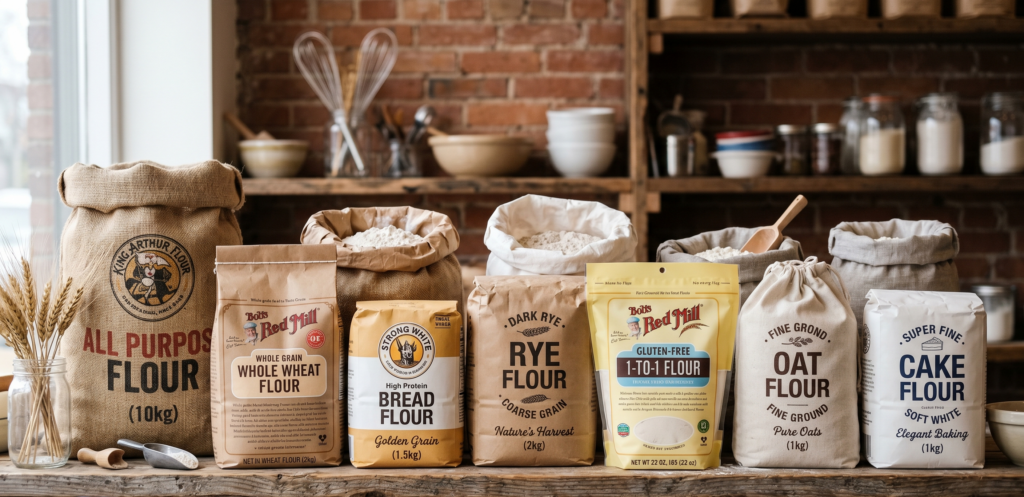
Flour consistency is a crucial factor in industrial baking, impacting texture, taste, and overall quality of baked goods. This article delves into the various types of flour, the role of consistency, and how they collectively influence industrial baking practices.
The Types of Flour and Their Properties
In the realm of industrial baking, the consistency of flour processing plays a pivotal role in determining the quality of the final products. Various milling techniques such as roller milling or stone milling can affect the flour grind, influencing particle size and water absorption. Furthermore, storage conditions like temperature and humidity can lead to moisture variations, critically altering dough behavior. Flour exposed to inconsistent handling during production may also exhibit fluctuations in properties, which can detrimentally affect rise, texture, and flavor.
For instance, flour that is either too dry or too moist may hinder gluten development, leading to poor dough elasticity. Consistent flour processing ensures uniformity, allowing bakers to predictably achieve desired outcomes in bread volume and crust color. Such precision is essential for maintaining product quality across large-scale production.
The Importance of Consistency in Flour Processing
Flour consistency is paramount in industrial baking, directly influencing the quality of baked goods. Variations in flour processing can significantly alter the baking process. For instance, the milling techniques used—whether roller milling or stone milling—affect particle size and distribution, impacting water absorption and gluten development. Improper storage conditions, such as temperature and humidity control, can lead to moisture variations, resulting in flour clumping or spoilage. Furthermore, handling during production, including the way flour is measured and mixed, can introduce inconsistencies.
These variations can create unpredictable outcomes in rise, texture, and flavor. A flour batch that is too coarse may inhibit proper gluten formation, leading to dense loaves, while overly fine flour might result in an excessively crumbly texture. Consistency in all flour handling stages is essential for ensuring high-quality, uniform baked products.
Achieving Consistent Results in Industrial Baking
Achieving consistent results in industrial baking hinges on several critical practices. Regular quality control of flour is vital; this includes frequent testing for moisture content, protein levels, and granulation. Implementing a standard operating procedure for quality checks helps identify any deviations promptly.
Blending techniques also play a significant role; combining various flour types can ensure consistency in baking performance. Using consistent batches of flour from the same supplier minimizes variability. When batch variations occur, adjustments such as increasing hydration levels or modifying fermentation times can help compensate.
Equally important is investing in staff training to ensure they understand the significance of flour consistency. Knowledgeable bakers can recognize subtle differences in flour and adapt their processes accordingly, from mixing to baking, thus achieving optimal results in production.
Conclusion
In conclusion, achieving and maintaining flour consistency is essential for successful industrial baking. By understanding the types of flour and their properties, ensuring consistent processing, and following best practices, bakers can produce high-quality products that meet consumer expectations.
Mastering Staging Ingredients for Industrial Baking
A Comprehensive Guide to Efficient Ingredient Management in Large-Scale Baking Operations
In the realm of industrial baking, the careful staging of ingredients is pivotal to ensuring consistency, quality, and efficiency. This article explores the essential strategies for ingredient management, examining the critical role it plays in large-scale baking operations.
Understanding the Basics of Ingredient Staging
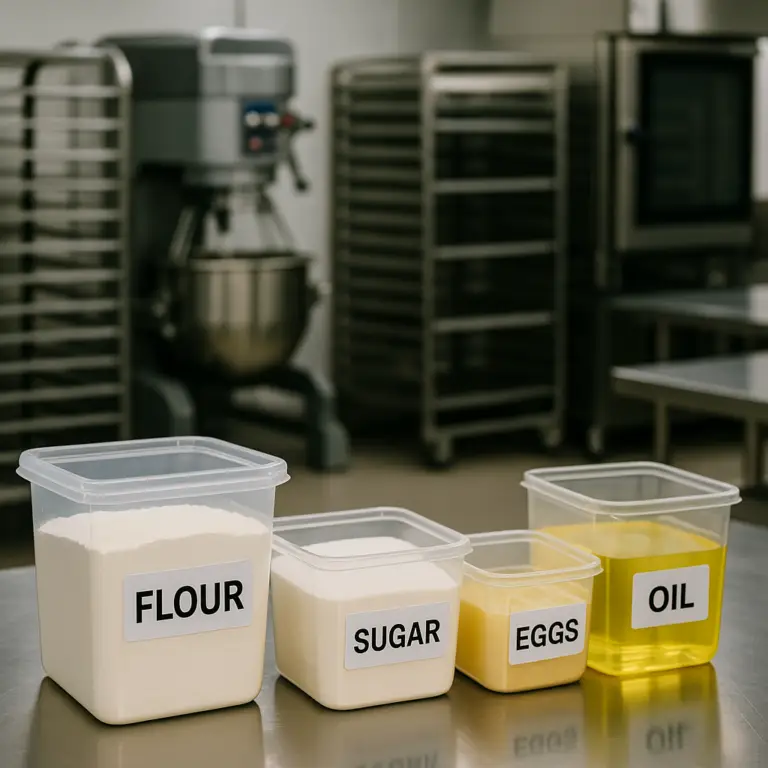
Ingredient staging in industrial baking is a crucial process that enhances operational efficiency and ensures product consistency. Central to this practice is the concept of preparing and organizing ingredients before production begins. By grouping ingredients, such as flour, sugar, fats, and leavening agents, in a designated staging area, bakeries can minimize downtime and optimize workflow during mixing and baking processes.
Effective staging not only streamlines operations but also plays a significant role in waste reduction. For instance, using bulk ingredients allows for easier adjustments to quantities as per demand, while pre-portioned ingredients lend themselves to quicker preparation and accuracy in recipes. A well-organized staging system ensures that all ingredients are at hand, reducing the likelihood of errors and material waste, thereby bolstering profitability in a fast-paced industrial environment.
Effective Techniques for Staging Ingredients
Effective staging is an integral part of industrial baking, utilizing techniques such as batching and mise en place to streamline operations. Batching involves calculating precise ingredient amounts required for each production run, ensuring consistency and minimizing waste. Meanwhile, mise en place emphasizes the preparation of all necessary components before initiating the baking process, fostering an organized workflow.
Automation further enhances ingredient staging through tools like ingredient dispensing systems, which provide accurate measurements while reducing labor costs. Additionally, advanced inventory management software enables real-time tracking of ingredients, optimizing usage and minimizing shortages.
An organized staging area is crucial for maintaining efficiency. The recommended layout includes distinct zones for bulk storage, prep areas, and accessible dispensing stations, promoting a logical flow. Such organization enhances workflow, enabling bakers to focus on quality production rather than logistical challenges.
Challenges and Solutions in Ingredient Management
In industrial baking, ingredient staging often encounters challenges such as supply chain disruptions, ingredient variability, and stringent food safety compliance. These issues can lead to inconsistencies in production and affect the final quality of baked goods. To tackle these challenges, establishing strong relationships with reliable suppliers is crucial; this enables bakeries to secure consistent ingredient quality and availability. Additionally, implementing rigorous quality control measures, including regular ingredient testing and visual inspections, can help detect variability early on, minimizing adverse effects on production.
Best practices also play an essential role in overcoming these hurdles. Organizing regular audits of suppliers’ delivery systems, conducting training for staff on compliance, and employing technology to track ingredient freshness can enhance overall ingredient management. By maintaining vigilance in these areas, bakeries can ensure consistency and quality in their final products.
Conclusion
Efficient staging of ingredients is a cornerstone of successful industrial baking operations. By understanding the fundamentals, employing effective techniques, and addressing challenges, bakers can enhance productivity and improve the quality of their products. Implementing these strategies will not only streamline processes but also contribute to overall business success.
The Art of Premium Ingredients in Industrial Baking
Elevating Quality and Efficiency in Commercial Baked Goods.
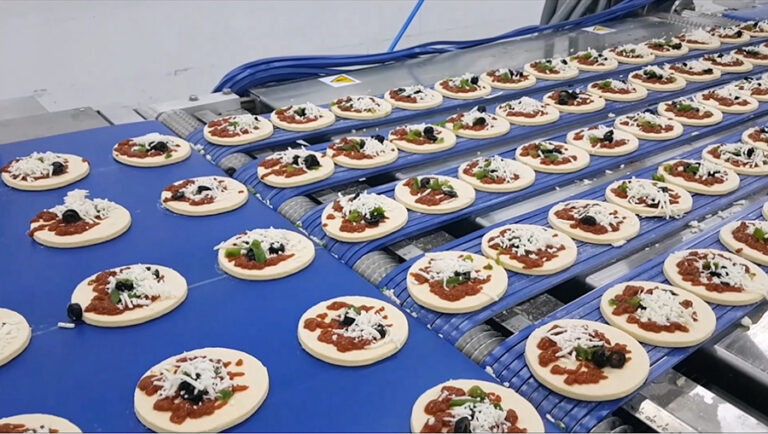
In the realm of industrial baking, the choice of premium ingredients plays a pivotal role in enhancing product quality and achieving operational excellence. This article explores the various premium ingredients utilized in industrial baking, their benefits, and how they contribute to the overall success of baked goods in the competitive marketplace.
Understanding Premium Ingredients
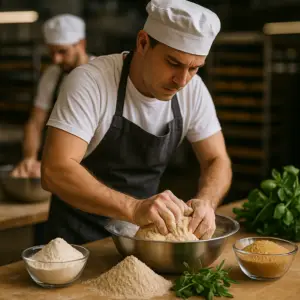
In the realm of industrial baking, the term “premium ingredients” encompasses a deliberate selection of components that enhance not only the taste and texture of baked goods but also their overall nutritional profile. A premium ingredient is typically characterized by its superior quality, careful sourcing, and enhanced nutritional value, which collectively contribute to an elevated product offering.
Several aspects qualify an ingredient as premium: the sourcing practices must prioritize sustainable, high-quality suppliers who adhere to stringent agricultural and processing standards. For instance, the use of organic and non-GMO grains can significantly enhance the quality and safety of the final product. Furthermore, nutritional enhancements, such as higher protein content or the inclusion of whole grains, elevate the health aspects of baked goods, making them more appealing to the modern consumer.
Among the examples of premium ingredients commonly utilized in industrial baking are high-quality flours, such as those made from heritage grains like spelt or einkorn, which bring unique flavors and textures. Specialty sugars, like muscovado or coconut sugar, offer distinct taste profiles while also appealing to health-conscious customers through their lower glycemic index. Natural flavorings, such as vanilla extract derived from Madagascar beans or spices sourced directly from growers, can transform simple products into exceptional offerings, making them stand out in a crowded market.
The impact of these premium ingredients is profound; they significantly influence not only the organoleptic properties of baked goods but also their visual appeal. A perfectly crafted baguette, for example, made with premium flour and natural leavening, will provide a superior crust and crumb structure, enticing consumers with its artisanal quality. By integrating premium ingredients into their production processes, industrial bakers can create products that resonate with discerning consumers, fostering brand loyalty and setting themselves apart in a highly competitive landscape.
Benefits of Using Premium Ingredients
Incorporating premium ingredients into industrial baking yields a multitude of benefits that can significantly elevate both the quality of baked goods and the overall customer experience. One of the most immediate advantages is the enhancement of taste and texture. Premium ingredients, such as artisan flours and high-grade cocoa, bring a depth of flavor that mass-produced alternatives often lack. This not only satisfies consumer demand for better-tasting products but also encourages repeat business, as customers develop a preference for richer flavors and more satisfying textures.
Nutritional benefits also cannot be overlooked. Premium ingredients are typically higher in essential nutrients, providing health-conscious consumers with added value. For instance, whole grain flours that retain the bran and germ contribute not only to superior nutritional profiles but also offer a more complex flavor that can set a product apart in a crowded market. As health-oriented trends continue to influence purchasing decisions, utilizing premium ingredients can be a significant differentiator.
Furthermore, premium ingredients often enhance the shelf life and appearance of baked goods. Ingredients like natural preservatives and high-quality fats can improve moisture retention, resulting in products that maintain freshness for longer periods. Additionally, the visual appeal of premium goods, which often feature richer colors and glossier finishes, can attract customers’ attention on crowded retail shelves, leading to increased sales.
Successful case studies in the industry illustrate these advantages well. For example, a well-known bakery brand increased its market share after switching to organic cane sugar and farm-sourced butter in its product lines. The resultant improvements in flavor and quality received enthusiastic consumer feedback, ultimately boosting brand loyalty and positioning them favorably against competitors.
Thus, the strategic use of premium ingredients not only enhances product attributes but also contributes to brand differentiation and customer satisfaction in a competitive landscape.
Implementing Premium Ingredients in Production
Implementing premium ingredients in industrial baking requires a strategic approach that harmonizes quality enhancement with operational efficiency. One of the first steps industrial bakers should undertake is to establish strong sourcing relationships with suppliers who specialize in high-quality ingredients. This may involve evaluating the origin of ingredients, confirming their certifications, and ensuring they meet the desired standards for taste, health benefits, and sustainability. Building a reliable supply chain can often mitigate cost implications, particularly when negotiating bulk purchases or establishing long-term contracts.
Cost must be carefully balanced against quality. While premium ingredients can come at a higher upfront price, their potential to attract and retain customers can lead to increased sales and market differentiation. It’s crucial to conduct cost-benefit analyses to ascertain the long-term return on investment.
Training staff to appropriately handle premium ingredients is essential. Bakers, mixers, and production teams should understand the unique properties of these ingredients and how they might alter traditional recipes and processes. Workshops and training sessions focused on ingredient handling, storage, and utilization will prepare staff to maintain the integrity of premium inputs and optimize their benefits.
Moreover, technology plays a pivotal role in blending premium ingredients into existing production lines. Utilizing advanced mixing and baking equipment can help maintain consistency, particularly when adapting new formulations. Automated systems can also track the precise amounts of each ingredient, minimizing waste and ensuring that each batch meets quality standards.
Finally, embracing innovation—such as exploring new flavor combinations or health-oriented formulations—can further elevate the use of premium ingredients. By integrating thoughtful sourcing, comprehensive training, and advanced technology, industrial bakers can seamlessly implement premium ingredients without compromising efficiency, ultimately leading to superior baked goods that stand out in a competitive market.
Conclusion
In summary, the integration of premium ingredients in industrial baking not only enhances the quality and appeal of baked goods but also supports business success. By investing in superior ingredients, bakers can meet consumer demands for better taste and nutrition, leading to higher customer satisfaction and loyalty. The path to excellence in baking begins with the careful selection of ingredients.
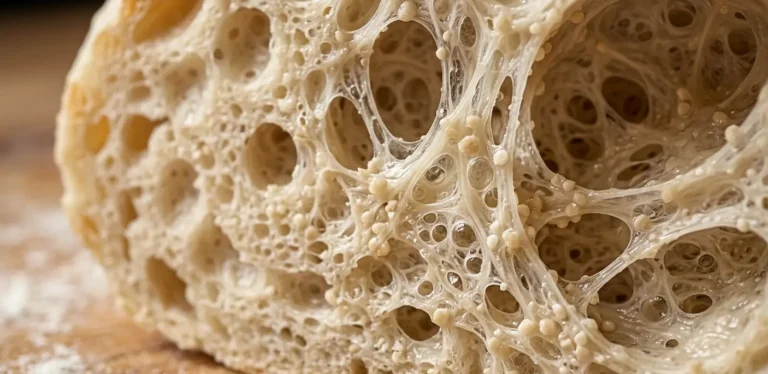
Sourdough,
with its rich history dating back to ancient civilizations, is experiencing a resurgence with industrial methods at the forefront. As a result, the rise of sourdough has led to traditional techniques being adapted for large-scale production. This ensures consistency while preserving the unique flavors that define this beloved bread.
Historical Roots and Modern Innovation
Sourdough has a rich history that dates back to ancient civilizations, where it was the primary method of bread-making. This natural leavening process, relying on wild yeast and bacteria, provided communities with an accessible and nutritious staple.
Over centuries, sourdough evolved, adapting to regional variations and dietary needs, becoming a vital aspect of cultural identity in many societies. However, with the advent of commercial yeasts in the late 19th century, a significant shift occurred in the baking industry. This innovation promised faster production times and uniform results, leading to a decline in traditional sourdough practices. Bakers transitioned to quick-rise methods, causing the delicate art of sourdough to fade into the background of industrial baking.
Despite this decline, the 21st century has witnessed a remarkable resurgence of interest in sourdough among artisan bakers and home enthusiasts alike. Factors like the growing preference for natural ingredients, health consciousness related to gut health, and the craving for authentic, flavorful bread have fueled this revival. In particular, sourdough’s complex flavors, rooted in its fermentation process, made it appealing. As a result, consumers seek out artisanal products over mass-produced alternatives.
Modern innovations in fermentation processes have significantly boosted the ability to produce sourdough on an industrial scale while retaining the essence of its artisanal origins. For example, innovations such as controlled fermentation environments allow for precise temperature and humidity levels. These conditions are essential for nurturing the unique microbial cultures in sourdough starters. This, combined with advancements in monitoring technologies, helps bakers track the development of flavor compounds and the growth of yeast and bacteria. As a result, bakers can facilitate a balance between assured quality and traditional taste.
Industrially, bakeries are now using specific strains of wild yeasts that can be cultivated at scale, optimizing their performance in large batches. This practice not only safeguards consistency across production runs but also opens the door to experimenting with different flour types and hydration levels. These factors further enhance the flavor profile of the bread produced. In this way, the synergy of traditional techniques and modern technology allows for the creation of a product that can come close to the authentic sourdough experience. Significantly, this holds true even in high-volume settings.
However, the journey to industrial sourdough is not without its challenges. Maintaining the authentic sourdough flavor while striving for efficiency poses a delicate balancing act that many bakers grapple with. Furthermore, the mass appeal of sourdough must not compromise its rich, tangy character, which requires careful management of starter health and fermentation times. Moreover, as the commercial market continues to grow, there is a risk that the very essence of sourdough could be diluted in pursuit of meeting demand.
Despite these challenges, the rise of artisan sourdough artisan baking on an industrial scale emerges as a compelling avenue for the future of bread production. Establishing a framework that merges tradition with innovation allows for the continued evolution of sourdough. As a result, it promises exciting developments that can meet both the cravings of modern consumers and the enduring legacy of ancient baking techniques.
Industrial Sourdough: Techniques and Challenges
As the demand for sourdough has surged, particularly driven by consumer interest in artisanal products and health benefits, industrial bakers have sought to replicate the unique flavors and textures associated with traditional sourdough methods on a larger scale. In fact, the success of this endeavour hinges on refined techniques that enable bakers to harness the benefits of sourdough fermentation while maintaining efficiency.
One cornerstone of industrial sourdough production is bulk fermentation. This technique involves allowing a large batch of dough to ferment in a single container, typically under controlled conditions. By managing factors such as time, temperature, and humidity, bakers can achieve a consistent degree of fermentation across significant quantities of dough. In most cases, bulk fermentation can last anywhere from several hours to overnight. The timing depends on the required sour flavor profile and the specific characteristics desired in the final product.
Temperature control plays a pivotal role in this process. Many industrial bakers utilize specialized fermentation rooms that can be adjusted precisely, allowing for optimal yeast and lactobacillus activity. This is crucial for developing the complex flavors and aromas typically associated with sourdough. For instance, warmer fermentation temperatures can enhance yeast activity, promoting a quicker rise. On the other hand, cooler temperatures slow fermentation, allowing for more nuanced flavor development. Therefore, balancing these temperatures is key to producing sourdough that reflects traditional qualities without sacrificing efficiency.
Another technique critical to industrial sourdough baking is starter cultivation. While artisan bakers rely on small, established sourdough starters that have been nurtured over years, industrial bakers often need to create larger quantities of starter cultures in shorter timeframes. For this reason, many companies use a two-stage starter system. In this system, a small amount of mature starter is fed flour and water in a larger batch to create a sufficient culture that can inoculate the dough. This practice helps maintain the microbial diversity essential for the desirable tartness and texture of sourdough. However, it requires meticulous management to ensure that the characteristics of the starter do not deviate drastically over time.
Despite these advancements, challenges remain in maintaining the authenticity and quality of industrial sourdough. The balance between efficiency and traditional flavor profiles often leads to compromises. For example, combining sourdough with commercial yeast can expedite the fermentation process. However, this may result in a loss of the depth of flavor that natural fermentation imparts. Additionally, consumer expectations for uniformity can pressure companies to sacrifice the artisanal qualities inherent in traditional sourdough.
Looking ahead, the future of sourdough in the commercial market will likely be shaped by ongoing technological innovations and a growing consumer appetite for authenticity. As bakers continue to experiment with fermentation techniques and starter cultivation methods, the challenge will remain. Specifically, the question is how to produce sourdough on an industrial scale while preserving its soul. Encouragingly, trends indicate that many companies are now striving to integrate traditional methods with modern practices. This hints at a new era of sourdough that honours its rich heritage while embracing the demands of contemporary consumers.
Conclusions
In summary, the journey of sourdough from ancient bread-making traditions to its industrial renaissance highlights the interplay between history, innovation, and culture. While the techniques have evolved to meet modern demands, the essence of sourdough—its tangy flavor and artisanal roots—continues to captivate bread enthusiasts around the globe.
April 2026 Newsletter
We’ve just released our latest newsletter.
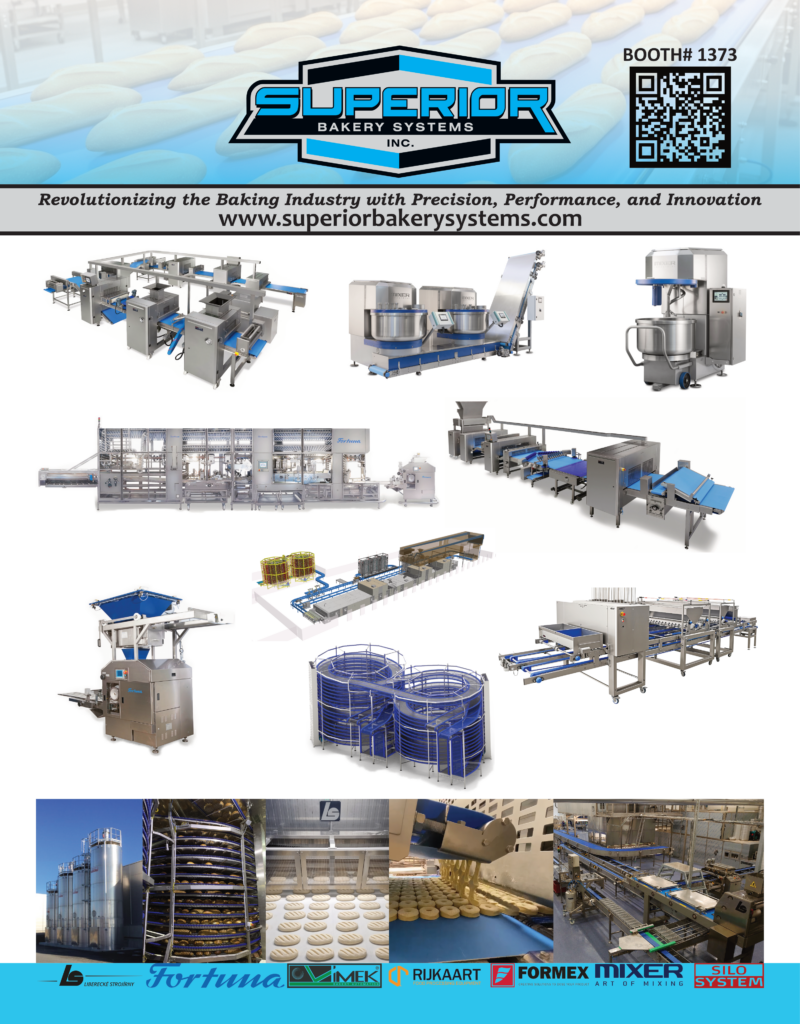

Superior Bakery Systems is proud to announce our participation at the International Baking Industry Exposition (IBIE) 2025, the world’s largest baking industry event. This year, the show takes place in Las Vegas, bringing together bakers, manufacturers, and suppliers from across the globe.
Why Visit IBIE 2025?
IBIE is the premier event where the baking industry connects, shares knowledge, and discovers the newest technologies. For SBS, it’s an opportunity to showcase our advanced industrial bakery equipment and connect with customers, partners, and industry leaders.
What You’ll See at Our Booth
Visit Booth 1373 in the West Hall to experience:
Mixing & Dough Handling Systems – engineered for consistency and scale.
Industrial Ovens – delivering precision, efficiency, and reliability.
Cooling & Freezing Solutions – including advanced spiral freezers.
Turnkey Production Lines – customized solutions for bakeries of all sizes.
Our team will be on hand to provide demonstrations, answer questions, and discuss how our solutions can improve bakery production.
A Legacy of Innovation
Since our founding, Superior Bakery Systems has focused on delivering reliable, cutting-edge equipment that helps bakeries operate smarter and more efficiently. From installation to ongoing service, we pride ourselves on building long-term partnerships with every customer.
As the baking industry moves toward automation, sustainability, and efficiency, SBS continues to lead with innovative solutions tailored to real-world needs.
Join Us in Las Vegas
We invite you to connect with us at IBIE 2025, Booth 1373 in the West Hall, from September 13–17, 2025. Come see firsthand how Superior Bakery Systems can help transform your production with state-of-the-art equipment and unmatched service.