Sourdough,
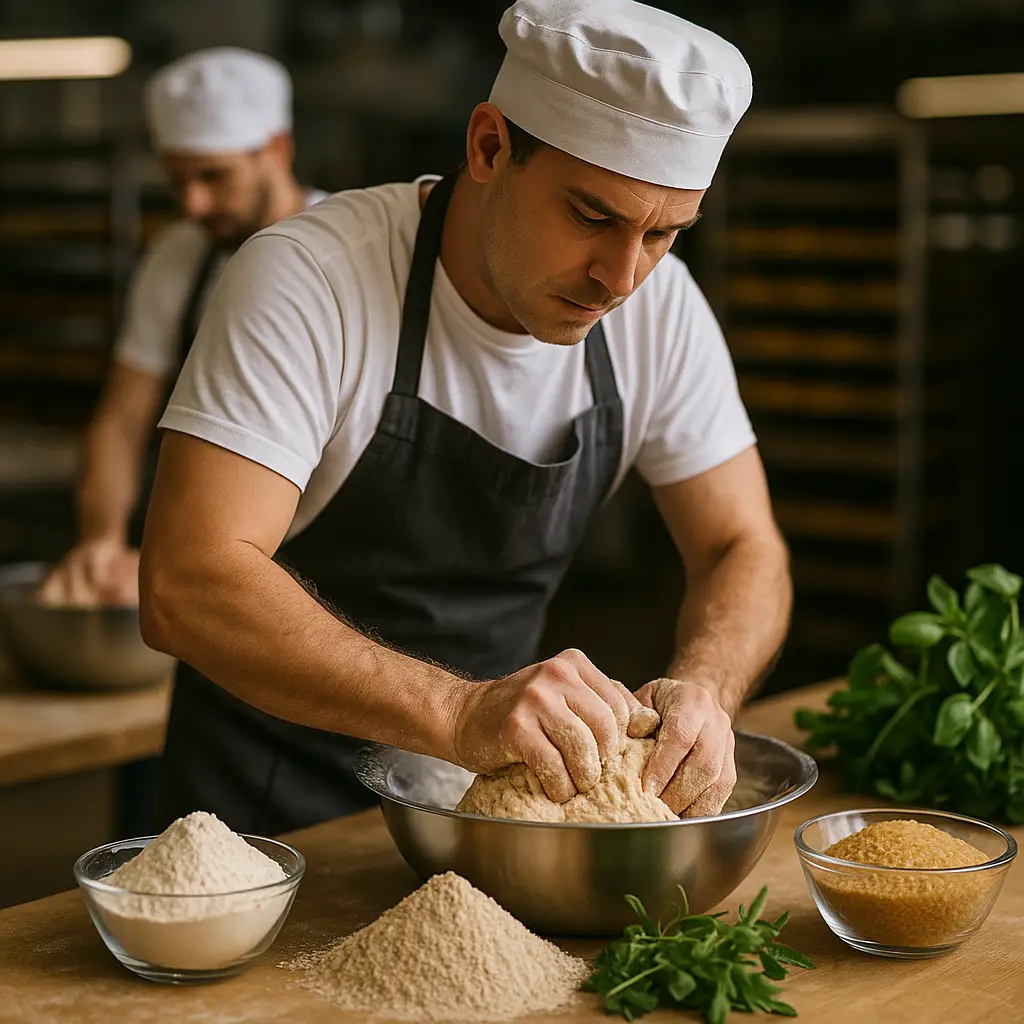
with its rich history dating back to ancient civilizations, is experiencing a resurgence with industrial methods at the forefront. As a result, the rise of sourdough has led to traditional techniques being adapted for large-scale production. This ensures consistency while preserving the unique flavors that define this beloved bread.
Historical Roots and Modern Innovation
Sourdough has a rich history that dates back to ancient civilizations, where it was the primary method of bread-making. This natural leavening process, relying on wild yeast and bacteria, provided communities with an accessible and nutritious staple.
Over centuries, sourdough evolved, adapting to regional variations and dietary needs, becoming a vital aspect of cultural identity in many societies. However, with the advent of commercial yeasts in the late 19th century, a significant shift occurred in the baking industry. This innovation promised faster production times and uniform results, leading to a decline in traditional sourdough practices. Bakers transitioned to quick-rise methods, causing the delicate art of sourdough to fade into the background of industrial baking.
Despite this decline, the 21st century has witnessed a remarkable resurgence of interest in sourdough among artisan bakers and home enthusiasts alike. Factors like the growing preference for natural ingredients, health consciousness related to gut health, and the craving for authentic, flavorful bread have fueled this revival. In particular, sourdough’s complex flavors, rooted in its fermentation process, made it appealing. As a result, consumers seek out artisanal products over mass-produced alternatives.
Modern innovations in fermentation processes have significantly boosted the ability to produce sourdough on an industrial scale while retaining the essence of its artisanal origins. For example, innovations such as controlled fermentation environments allow for precise temperature and humidity levels. These conditions are essential for nurturing the unique microbial cultures in sourdough starters. This, combined with advancements in monitoring technologies, helps bakers track the development of flavor compounds and the growth of yeast and bacteria. As a result, bakers can facilitate a balance between assured quality and traditional taste.
Industrially, bakeries are now using specific strains of wild yeasts that can be cultivated at scale, optimizing their performance in large batches. This practice not only safeguards consistency across production runs but also opens the door to experimenting with different flour types and hydration levels. These factors further enhance the flavor profile of the bread produced. In this way, the synergy of traditional techniques and modern technology allows for the creation of a product that can come close to the authentic sourdough experience. Significantly, this holds true even in high-volume settings.
However, the journey to industrial sourdough is not without its challenges. Maintaining the authentic sourdough flavor while striving for efficiency poses a delicate balancing act that many bakers grapple with. Furthermore, the mass appeal of sourdough must not compromise its rich, tangy character, which requires careful management of starter health and fermentation times. Moreover, as the commercial market continues to grow, there is a risk that the very essence of sourdough could be diluted in pursuit of meeting demand.
Despite these challenges, the rise of artisan sourdough artisan baking on an industrial scale emerges as a compelling avenue for the future of bread production. Establishing a framework that merges tradition with innovation allows for the continued evolution of sourdough. As a result, it promises exciting developments that can meet both the cravings of modern consumers and the enduring legacy of ancient baking techniques.
Industrial Sourdough: Techniques and Challenges
As the demand for sourdough has surged, particularly driven by consumer interest in artisanal products and health benefits, industrial bakers have sought to replicate the unique flavors and textures associated with traditional sourdough methods on a larger scale. In fact, the success of this endeavour hinges on refined techniques that enable bakers to harness the benefits of sourdough fermentation while maintaining efficiency.
One cornerstone of industrial sourdough production is bulk fermentation. This technique involves allowing a large batch of dough to ferment in a single container, typically under controlled conditions. By managing factors such as time, temperature, and humidity, bakers can achieve a consistent degree of fermentation across significant quantities of dough. In most cases, bulk fermentation can last anywhere from several hours to overnight. The timing depends on the required sour flavor profile and the specific characteristics desired in the final product.
Temperature control plays a pivotal role in this process. Many industrial bakers utilize specialized fermentation rooms that can be adjusted precisely, allowing for optimal yeast and lactobacillus activity. This is crucial for developing the complex flavors and aromas typically associated with sourdough. For instance, warmer fermentation temperatures can enhance yeast activity, promoting a quicker rise. On the other hand, cooler temperatures slow fermentation, allowing for more nuanced flavor development. Therefore, balancing these temperatures is key to producing sourdough that reflects traditional qualities without sacrificing efficiency.
Another technique critical to industrial sourdough baking is starter cultivation. While artisan bakers rely on small, established sourdough starters that have been nurtured over years, industrial bakers often need to create larger quantities of starter cultures in shorter timeframes. For this reason, many companies use a two-stage starter system. In this system, a small amount of mature starter is fed flour and water in a larger batch to create a sufficient culture that can inoculate the dough. This practice helps maintain the microbial diversity essential for the desirable tartness and texture of sourdough. However, it requires meticulous management to ensure that the characteristics of the starter do not deviate drastically over time.
Despite these advancements, challenges remain in maintaining the authenticity and quality of industrial sourdough. The balance between efficiency and traditional flavor profiles often leads to compromises. For example, combining sourdough with commercial yeast can expedite the fermentation process. However, this may result in a loss of the depth of flavor that natural fermentation imparts. Additionally, consumer expectations for uniformity can pressure companies to sacrifice the artisanal qualities inherent in traditional sourdough.
Looking ahead, the future of sourdough in the commercial market will likely be shaped by ongoing technological innovations and a growing consumer appetite for authenticity. As bakers continue to experiment with fermentation techniques and starter cultivation methods, the challenge will remain. Specifically, the question is how to produce sourdough on an industrial scale while preserving its soul. Encouragingly, trends indicate that many companies are now striving to integrate traditional methods with modern practices. This hints at a new era of sourdough that honours its rich heritage while embracing the demands of contemporary consumers.
Conclusions
In summary, the journey of sourdough from ancient bread-making traditions to its industrial renaissance highlights the interplay between history, innovation, and culture. While the techniques have evolved to meet modern demands, the essence of sourdough—its tangy flavor and artisanal roots—continues to captivate bread enthusiasts around the globe.