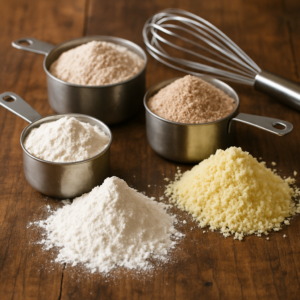
Picking the Right Flour: Understanding Protein Content
A Guide to Selecting Flour for Baking and Cooking.
Choosing the right flour can significantly impact your culinary endeavors. With various types of flour available, understanding protein content is crucial for achieving desired textures in bread, pastries, and other baked goods. This article delves into the relationship between flour types and their protein levels, guiding you to make informed choices for your baking success.
The Science of Flour and Protein Content
The process of flour production begins with milling grains, which are typically wheat, although other grains can be used. During milling, the grains are cleansed, tempered, and ground. The resulting flour varies in texture and protein content, which are crucial to its functionality in cooking and baking. Flour is primarily categorized into two main types based on protein content: hard flour and soft flour.
**Hard flours**, which contain a higher protein content (generally between 10-14%), are ideal for yeast-leavened baked goods such as bread and pizza dough. The protein in hard flour predominantly forms gluten when water is added and mixed; gluten is integral for developing structure and chewiness in these products.
In contrast, **soft flours**, with protein levels usually between 8-10%, are suited for tender baked goods like cakes, cookies, and pastries. The lower protein content results in less gluten formation, yielding a softer texture and crumb.
Understanding the relationship between protein content and gluten development is essential for selecting the right flour. Choosing the appropriate type can mean the difference between a bread that rises beautifully and a cake that crumbles. Thus, the significance of protein content in flour extends beyond mere numbers; it dictates the outcome of your baking endeavors.
Choosing the Right Flour for Your Recipe
When selecting flour for your recipe, it’s essential to consider the protein content, as it directly influences the gluten formation that affects texture and structure. For baked goods requiring a strong structure, such as bread and bagels, choose high-protein flours, typically found in hard wheat varieties. Bread flour, containing 12-14% protein, yields a chewy texture, perfect for these recipes.
Conversely, soft flours, like cake flour with 7-9% protein, are ideal for tender goods such as cakes, muffins, and pastries. These lower protein levels allow for less gluten formation, resulting in a light and airy crumb.
In recipes demanding specific flours, consider common substitutions. For instance, if you lack bread flour, you can mix all-purpose flour with vital wheat gluten to increase its protein content. Alternatively, for a lighter texture in cookies, you might blend all-purpose flour with cake flour, ensuring a delicate balance between chewiness and tenderness.
Variations across global cuisines also demand unique flours; for example, durum wheat flour, rich in protein, is favored for Italian pasta. Understanding these distinctions and protein requirements will help you select the right flour and achieve the desired outcome in your culinary endeavors.
Conclusion
In conclusion, selecting the appropriate flour involves understanding its protein content and how it affects your baking results. High-protein flours are ideal for bread-making, while lower-protein options are suited for delicate pastries. By considering these factors, you can enhance the quality of your baked goods and achieve the perfect consistency.
Effective Routine Maintenance Planning for Industrial Bakeries
Ensuring Efficiency and Quality through Preventive Care.
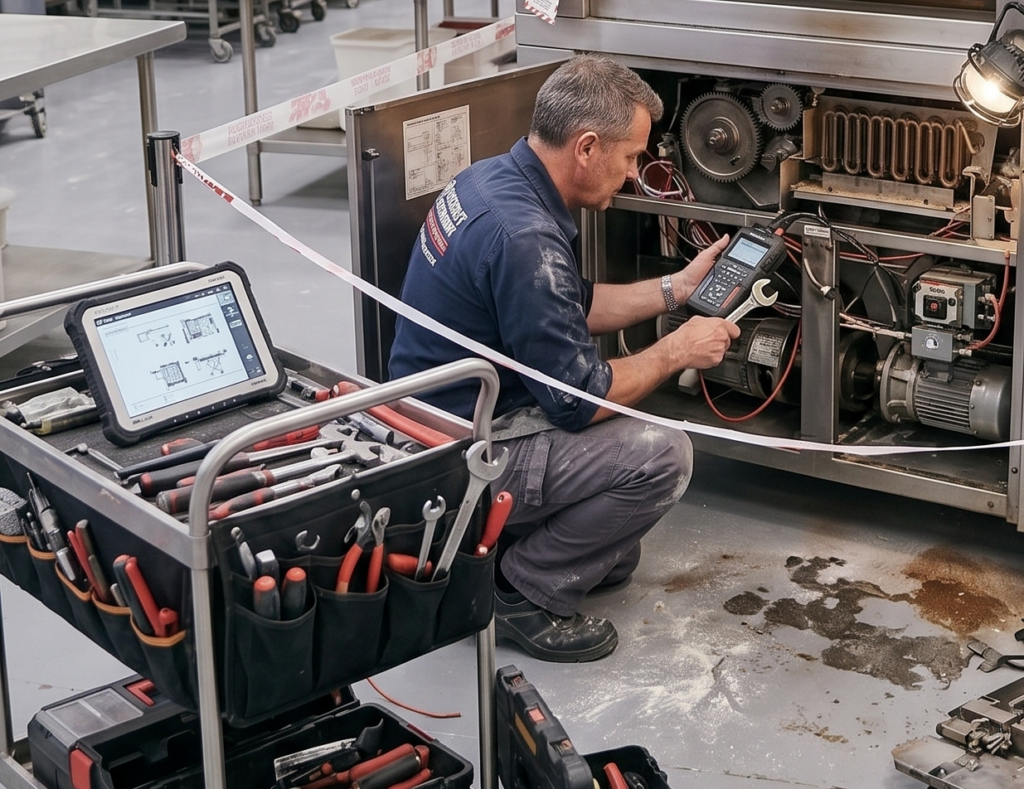
Routine maintenance planning is vital for industrial bakeries to ensure optimal operation and product quality. This article explores the importance of establishing a systematic maintenance routine, detailing strategies for effective execution, and highlighting the benefits that come from preventive measures in an industrial bakery setting.
Understanding Routine Maintenance in Bakeries
Routine maintenance in industrial bakeries encompasses systematic practices aimed at preserving equipment functionality and ensuring consistent product quality. Essential equipment, including ovens, mixers, and refrigeration units, demands regular attention due to their pivotal roles in production. Neglecting routine upkeep can accelerate wear and lead to unexpected breakdowns, which may disrupt operations and inflate costs.
Key maintenance tasks include thorough cleaning to prevent buildup that can affect performance, lubrication of moving parts to reduce friction and wear, regular inspections to identify potential issues early, and timely replacement of worn components. Maintaining a detailed log of these activities is crucial: it not only tracks performance and compliance but also enhances the accuracy of maintenance scheduling. This systematic approach not only prolongs equipment lifespan but also safeguards production quality and efficiency.
Planning and Implementing Maintenance Strategies
Creating an effective maintenance plan for industrial bakeries requires systematic steps tailored to unique operational needs. First, establish a maintenance schedule based on equipment usage patterns and manufacturer guidelines. A maintenance calendar should be set up to log routine tasks, aligning them with production schedules to minimize disruptions.
Assign responsibilities clearly among staff; designate team members for specific equipment monitoring and checks. Regular staff training is crucial, empowering employees to identify early signs of trouble and perform basic maintenance tasks. Implementing maintenance management software can enhance tracking, allowing for timely access to maintenance logs and scheduling.
For instance, a bakery that adopted a maintenance software solution saw a 20% reduction in equipment downtime. By seamlessly integrating training and systematic planning, bakery operations can greatly improve, ensuring quality and efficiency remain high.
Benefits of Preventive Maintenance in Bakery Operations
Implementing preventive maintenance in industrial bakeries offers a multitude of benefits that significantly impact operations. Firstly, regular maintenance plays a crucial role in reducing equipment failures. Predictive checks and timely services help identify potential issues before they escalate, thereby minimizing unexpected breakdowns that can halt production. This proactive approach leads to fewer costly emergency repairs, allowing budgets to be allocated more strategically.
Additionally, preventive maintenance enhances operational efficiency by keeping machinery operating at optimal performance. Consistent maintenance ensures that equipment runs smoothly, which not only shortens production times but also maintains the energy efficiency of the systems involved. The result is improved product quality and consistency, as regular checks allow bakers to achieve uniform results across batches.
Moreover, investing in routine maintenance can have a positive influence on labor costs. With a well-maintained environment, workers spend less time on emergency fixes and more on productivity-focused tasks. Improved workplace conditions also lead to safer environments. Equipment that is routinely checked is less likely to malfunction, which can protect employees from potential accidents.
Ultimately, the commitment to preventive maintenance not only enhances the operational framework of bakeries but also supports customer satisfaction and strengthens brand reputation. By ensuring the quality and consistency of their products, bakeries can cultivate a loyal customer base that trusts their offerings.
Conclusion
In conclusion, implementing a well-structured routine maintenance plan in industrial bakeries is essential for optimizing performance and maintaining product quality. By prioritizing preventive measures and regular inspections, bakeries can enhance efficiency, reduce downtime, and ensure a consistent output of high-quality products, ultimately supporting business growth and customer satisfaction.
Transforming from an Artisanal Bakery to an Industrial Bakery
Navigating the Path to Mass Production While Maintaining Quality.
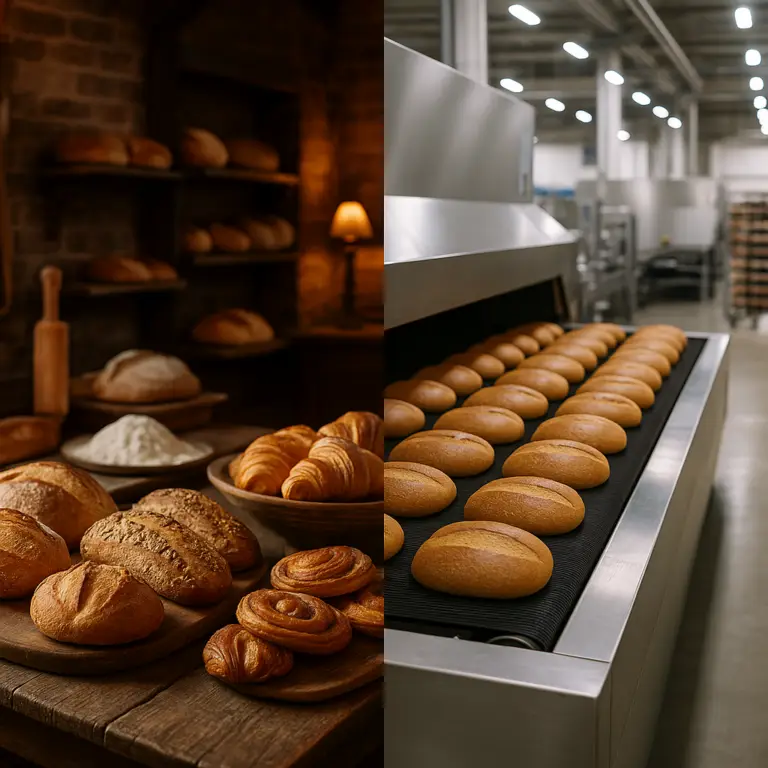
The journey from an artisanal bakery to an industrial bakery represents a significant transformation in production methods and business dynamics. This article explores the challenges and strategies involved in this evolution, focusing on how bakers can sustain their craftsmanship while scaling operations for a larger market.
Understanding Artisanal Baking
Artisanal baking is defined by a commitment to high-quality ingredients, meticulous techniques, and the love poured into each small batch. Every loaf, pastry, or pie emerges from a blend of skill and tradition honed over time. This dedication creates not just baked goods, but unique expressions of culture and craft, appealing to consumers who seek authenticity and uniqueness. Renowned artisanal bakeries like Tartine and Poilâne have inspired local communities and set benchmarks in the baking industry, showcasing how a focus on quality can influence broader trends and foster community connections. This reverence for craftsmanship enriches the consumer’s experience, making each bite a celebration of the baker’s art.
The Transition to Industrial Baking
Transitioning from an artisanal bakery to an industrial bakery requires a delicate balance of scaling operations while preserving quality. Key considerations include investing in advanced technology for high-volume production, such as automatic mixing and baking systems. Emphasizing rigorous quality control measures ensures that each product matches the artisanal standard. Establishing a strong brand identity helps maintain the connection to artisanal roots, appealing to consumers who seek authenticity even in mass-produced goods. However, challenges arise in consistency, where even slight variations can affect customer trust and satisfaction. Collaborating with skilled bakers during this transition keeps the artisanal spirit alive, fostering a culture that values craftsmanship alongside efficiency.
Conclusion
In conclusion, the shift from an artisanal to an industrial bakery involves strategic planning, embracing technology, and maintaining the essence of quality products. By finding a balance between scale and craftsmanship, bakers can thrive in a competitive market, delighting both loyal customers and new consumers alike.
Understanding Flour Consistency in Industrial Baking
A Comprehensive Guide to Achieving Optimal Results in Bakery Production.
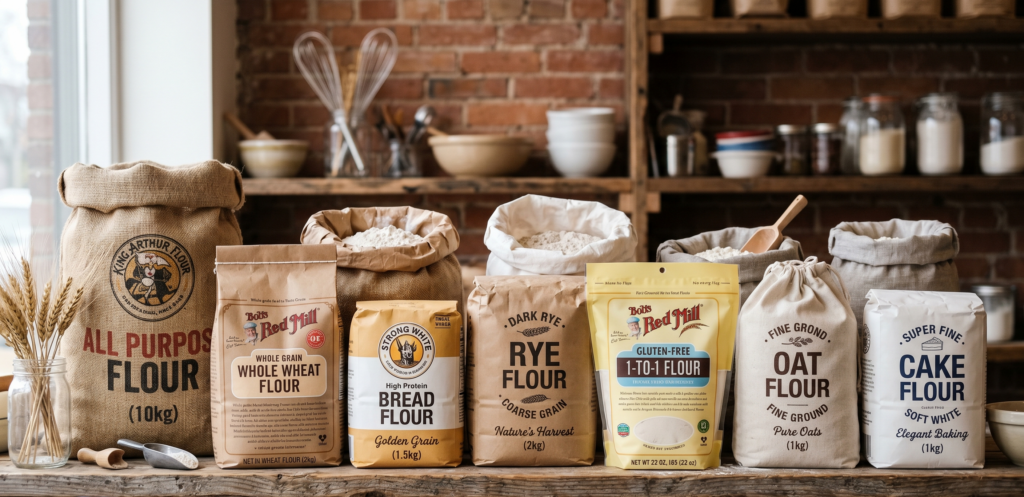
Flour consistency is a crucial factor in industrial baking, impacting texture, taste, and overall quality of baked goods. This article delves into the various types of flour, the role of consistency, and how they collectively influence industrial baking practices.
The Types of Flour and Their Properties
In the realm of industrial baking, the consistency of flour processing plays a pivotal role in determining the quality of the final products. Various milling techniques such as roller milling or stone milling can affect the flour grind, influencing particle size and water absorption. Furthermore, storage conditions like temperature and humidity can lead to moisture variations, critically altering dough behavior. Flour exposed to inconsistent handling during production may also exhibit fluctuations in properties, which can detrimentally affect rise, texture, and flavor.
For instance, flour that is either too dry or too moist may hinder gluten development, leading to poor dough elasticity. Consistent flour processing ensures uniformity, allowing bakers to predictably achieve desired outcomes in bread volume and crust color. Such precision is essential for maintaining product quality across large-scale production.
The Importance of Consistency in Flour Processing
Flour consistency is paramount in industrial baking, directly influencing the quality of baked goods. Variations in flour processing can significantly alter the baking process. For instance, the milling techniques used—whether roller milling or stone milling—affect particle size and distribution, impacting water absorption and gluten development. Improper storage conditions, such as temperature and humidity control, can lead to moisture variations, resulting in flour clumping or spoilage. Furthermore, handling during production, including the way flour is measured and mixed, can introduce inconsistencies.
These variations can create unpredictable outcomes in rise, texture, and flavor. A flour batch that is too coarse may inhibit proper gluten formation, leading to dense loaves, while overly fine flour might result in an excessively crumbly texture. Consistency in all flour handling stages is essential for ensuring high-quality, uniform baked products.
Achieving Consistent Results in Industrial Baking
Achieving consistent results in industrial baking hinges on several critical practices. Regular quality control of flour is vital; this includes frequent testing for moisture content, protein levels, and granulation. Implementing a standard operating procedure for quality checks helps identify any deviations promptly.
Blending techniques also play a significant role; combining various flour types can ensure consistency in baking performance. Using consistent batches of flour from the same supplier minimizes variability. When batch variations occur, adjustments such as increasing hydration levels or modifying fermentation times can help compensate.
Equally important is investing in staff training to ensure they understand the significance of flour consistency. Knowledgeable bakers can recognize subtle differences in flour and adapt their processes accordingly, from mixing to baking, thus achieving optimal results in production.
Conclusion
In conclusion, achieving and maintaining flour consistency is essential for successful industrial baking. By understanding the types of flour and their properties, ensuring consistent processing, and following best practices, bakers can produce high-quality products that meet consumer expectations.