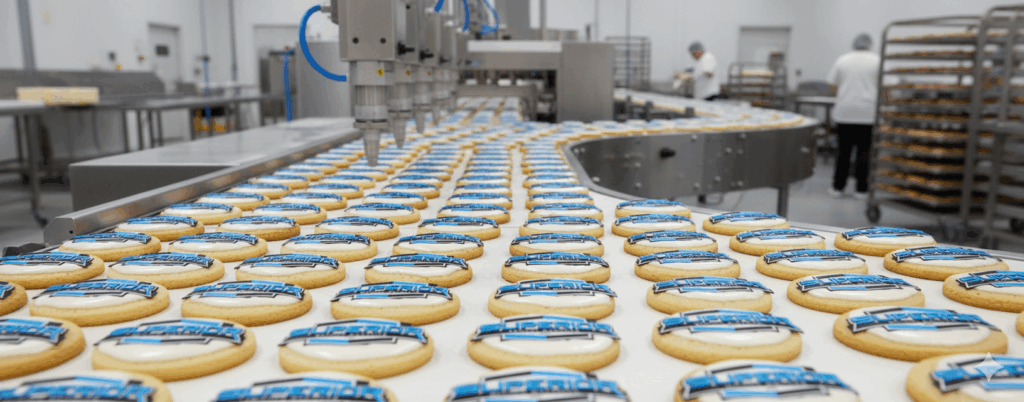
Rising gas and electricity prices eat straight into margins. Improving bakery energy efficiency can lower utility costs by 20% or more while shrinking your carbon footprint. Below we show quick wins—plus long-term upgrades—to make every kilowatt count.
Why Bakery Energy Efficiency Matters
Energy is the second-largest controllable cost in most wholesale bakeries after labor. Studies show an ENERGY STAR® commercial oven uses around 20% less energy than a standard model. With tighter margins and sustainability goals, efficiency is no longer optional—it’s a competitive edge.
1 | Start with an Energy Audit
Professional audits pinpoint hidden losses in ovens, proofers, HVAC, and compressed air. Typical payback for low-cost fixes (gasket replacement, leak sealing) is under six months.
Action: Schedule an annual audit, or DIY with a handheld IR thermometer and plug-in meters to log idle loads.
2 | Upgrade to ENERGY-Efficient Ovens
Modern tunnel or rack ovens feature zoned burners, better insulation, and auto-steam shut-off, cutting fuel by 15–25%. Some OEMs now offer electric or hydrogen-ready models for zero-on-site emissions.
Internal link: Explore our Bread Systems for energy-smart options.
3 | Capture Waste Heat
Heat-recovery exchangers can pre-warm make-up air or process water, saving 4–10% oven fuel. Install flue-gas recuperators on gas ovens or mount air-to-air exchangers on exhaust ducts.
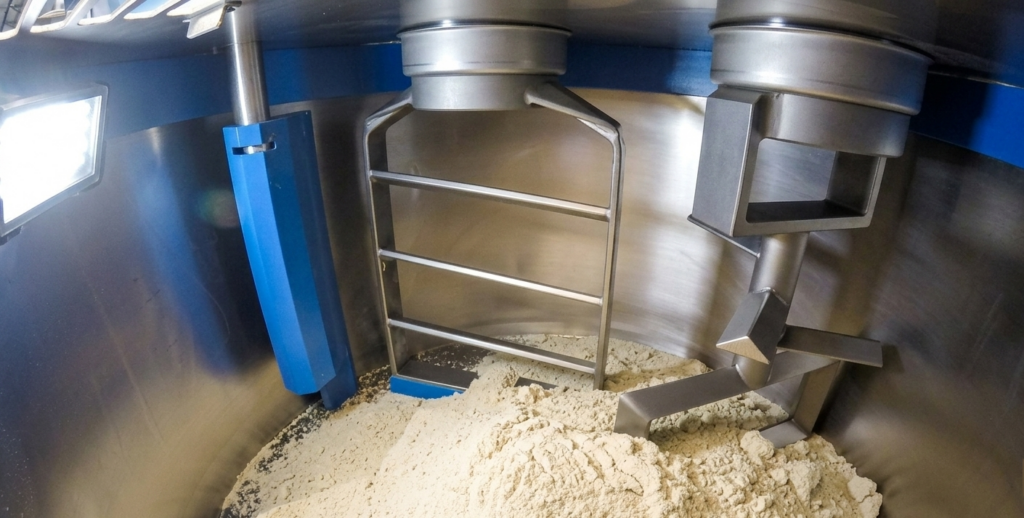
4 | Drive Mixers & Conveyors with VFDs
Variable-frequency drives on mixers let motors ramp up smoothly, reducing spikes and saving 5–15% electricity. VFD-equipped conveyors similarly trim kWh and extend belt life.
5 | Optimize Cooling & Proofing
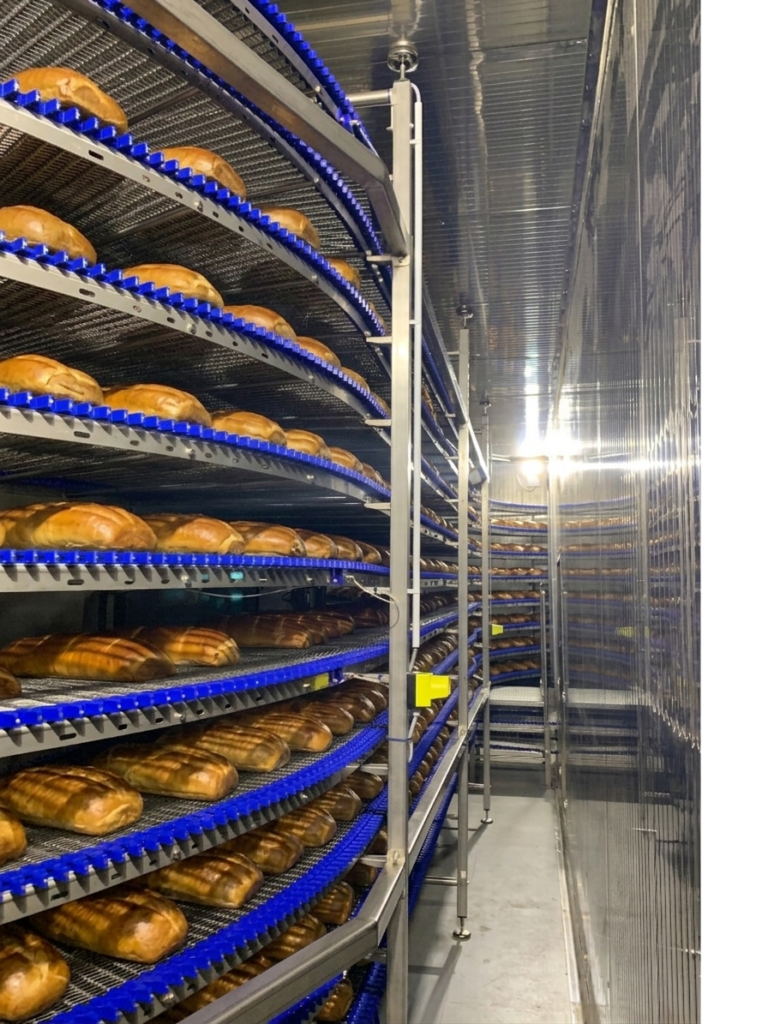
Switching from open belts to enclosed spiral coolers stabilizes temperature, reduces HVAC load, and improves product quality. Maintain proofers at tight ±1°C / ±5% RH to avoid over-conditioning air.
6 | Automate Shutdown & Idle Modes
Install timers or PLC logic so ovens, hood fans, and make-up air units drop to standby during gaps. Even one hour of daily idle reduction can cut annual energy by 5%.
7 | Track, Review, Improve
Log weekly kWh / therm usage per unit produced. Share dashboards with staff and celebrate month-over-month efficiency gains—building a culture of continuous bakery energy efficiency.
Quick-Start Checklist (Pin to Breakroom)
| Task | Savings | Who | Frequency |
|---|---|---|---|
| Replace oven door gaskets | 2% fuel | Maintenance | Quarterly |
| Check compressed-air leaks | 1% kWh | Engineer | Monthly |
| Clean refrigeration coils | 3% kWh | Crew | Monthly |
| Review oven idle times | 5% fuel | Production | Weekly |
Internal Resources
- ➤ Mixing & Dough Prep – VFD-ready mixers
- ➤ Proofing & Cooling – Enclosed spiral systems
- ➤ Contact Us for energy-smart retrofits
Conclusion – Small Tweaks, Big Impact
Boosting bakery energy efficiency protects profit and planet. Start with no-cost habits, add smart controls, then plan strategic upgrades like heat-recovery ovens or VFD mixers. Your bottom line—and future generations—will thank you.
Every minute counts in a busy bakery. Mastering batch baking efficiency helps you deliver more product, reduce labor pressure, and keep quality rock-solid. Below, we share practical ways to trim mix times, automate hand-offs, and schedule production like a pro.
Why Batch Baking Efficiency Pays Off
Slower cycles mean overtime wages, utility spikes, and stressed teams. By streamlining batch flow, bakeries report:
- 15% shorter mix times with optimized ingredients
- Up to 30% higher daily output after adding conveyors
- Consistent crumb and crust thanks to automated proof-and-bake controls
1 | Mix Smarter, Not Harder
Use Clean-Label Dough Enhancers: Modern enzymes shorten mix time by up to 30%. Less mixer dwell = cooler dough + faster turnover.
Scale Water Automatically: A water-meter saves seconds on every batch and improves hydration accuracy.
2 | Automate the Hand-Offs
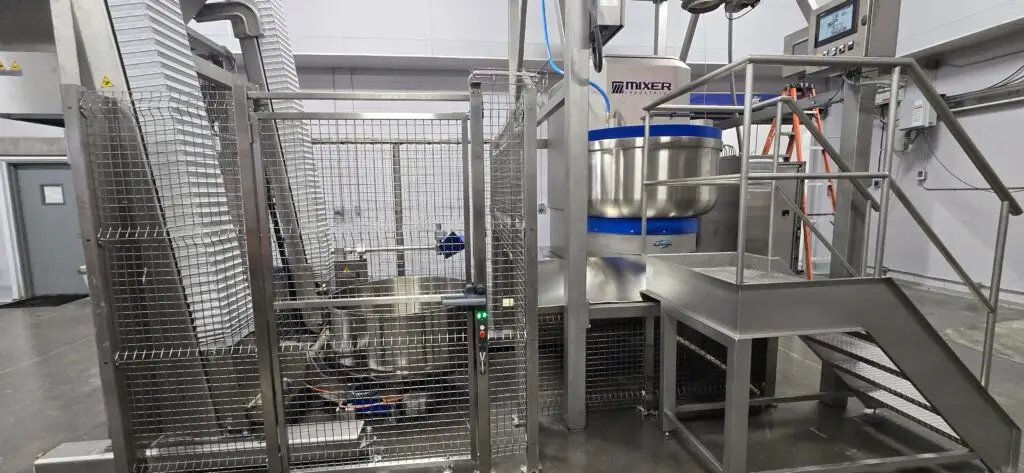
Manual transfers slow you down. Even a single-lane conveyor or bowl-lift removes heavy lifts and lets one operator prep the next mix while dough divides.
3 | Proof & Bake on a Steady Rhythm
Match proofer capacity to oven cycle so trays never queue. Program ovens with staged steam and heat to finish each batch identically.
Internal resource: Explore Proofing & Cooling Solutions that sync with deck or tunnel ovens.
4 | Schedule Like a Production Line
| Hour | Mixer | Divider | Proofer | Oven |
|---|---|---|---|---|
| 06:00 | Mix 1 | — | — | Preheat |
| 06:30 | Mix 2 | Divide 1 | Proof 1 | Bake Batch 0 |
| 07:00 | Mix 3 | Divide 2 | Proof 2 | Bake Batch 1 |
Color-coded whiteboards—or simple bakery software—keep everyone in sync.
5 | Continuous Improvement = Lasting Gains
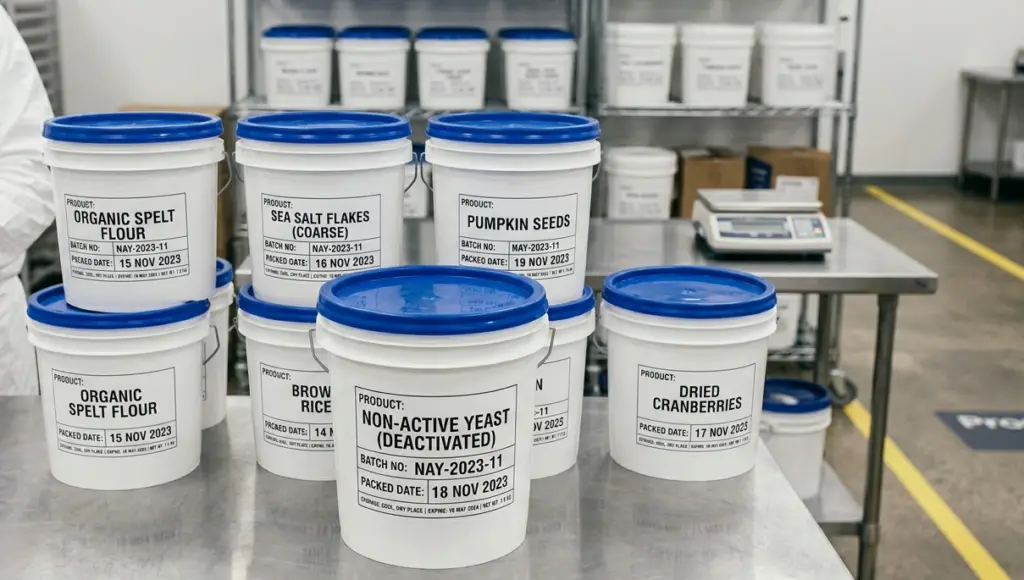
Small tweaks compound: label ingredient bins, pre-scale dry goods, or install quick-clean drip trays. Review downtime logs weekly; fix the top delay first.
Quality First, Speed Second
Batch baking efficiency never means cutting corners. In fact, tighter processes reduce over-mixing, under-proofing, and burnt loaves—saving money on waste.
Ready to Level Up?
Need help choosing dividers, proofers, or ovens that accelerate batch flow? Contact Superior Bakery Systems for tailored recommendations.
The scale of industrial bun production is staggering: modern high-speed lines can turn out up to 96,000 hamburger buns every sixty minutes. From silo-fed mixers to mile-long conveyor ovens, each step is engineered for uniformity, food safety, and lightning throughput. Below, we tour a mega-bakery line and show practical takeaways smaller shops can use today.

1 | Mixing – Big Batches on the Clock
Fully automated dough silos meter flour, water, yeast, and sugar into mixers the size of compact cars, each batch weighing hundreds of kilos. Computer controls lock in ratios and mix times, ensuring every batch exits with identical gluten development.
2 | Dividing & Rounding – Precision at 45,000+ Pieces per Hour
High-speed dividers portion dough balls to the gram while multi-lane rounders finish each piece in seconds. Premium systems push past 45,000 pieces per hour on a single line.
3 | Proofing – A Conveyor-Style Dough Spa
After shaping, dough balls ride through continuous proofing chambers that hold 30–60 minutes of inventory at perfectly controlled temperature and humidity. Spiral or belt proofers stack product vertically, saving floor space while keeping flow uninterrupted.

4 | Baking – Conveyor Ovens the Length of a School Bus

Rows of buns enter an indirect-fired tunnel oven where steam is injected up-front for a glossy crust before zoned heat finishes the bake. Continuous belts guarantee every bun sees the same time-temperature curve, enabling capacities of 50,000–96,000 rolls per hour.
5 | Cooling & Packaging – Keeping Pace with the Oven
Leaving the oven, buns spiral upward through ambient or refrigerated coolers that drop core temperature without condensation. Vision systems reject any misshapes, and automated baggers group, bag, and seal dozens of buns per second to match the line speed.

Lessons Smaller Bakeries Can Steal
| Big-Line Principle | Scaled-Down Tip |
|---|---|
| One-way flow – no back-tracking on conveyors | Arrange worktables so dough moves only forward; mark arrows on the floor. |
| Data-driven QC – sensors flag issues instantly | Log weights & temps every batch with a tablet. |
| Modular automation – add capacity in blocks | Start with a semiauto divider before investing in a full roll line. |
Conclusion – Scale Without Sacrificing Quality
From silo to sealed bag, industrial bun production shows what’s possible when traditional baking science meets precision engineering. Even if you never need 96,000 buns an hour, applying flow design, preventive QC, and selective automation can lift any bakery’s efficiency—and customer satisfaction.
Questions about upgrading mixers, proofers, or ovens? Contact Superior Bakery Systems
Downtime is the silent profit-killer of commercial baking. By putting a clear bakery equipment preventive maintenance plan in place, you protect margins, safeguard quality, and keep inspectors smiling. This guide shows you exactly how.
Why Bakery Equipment Preventive Maintenance Matters
Ignoring routine service often feels harmless, until a mixer seizes 30 minutes before a major order. Good preventive maintenance delivers three tangible wins:
- Consistent output: no surprise stoppages.
- Longer asset life: parts last years, not months.
- Lower repair spend: small checks beat emergency call-outs.
The Core Elements of a Maintenance Program
- Daily Visual Checks
- Inspect belts, guards, and temperature readouts.
- Wipe flour dust from vents for better airflow.
- Weekly Clean & Lubricate
Remove covers, vacuum crumbs, and apply NSF-certified food-grade grease where needed.
- Monthly Calibration
Verify oven setpoints against a digital probe. Tighten mixer bowl locks and adjust sheeter rollers.
- Quarterly Service
Change bearings, replace seals, and flush refrigeration coils.
- Annual Audit
Invite a certified technician for a deep dive on each major asset.
Creating a Preventive Maintenance Log

A written or digital log keeps tasks on schedule and satisfies auditors.
| Date | Equipment | Maintenance Performed | Technician | Notes |
|---|---|---|---|---|
| 2025-07-01 | Oven 3 | Replaced heating element | John S. | Passed temp test |
Pro-tip: Use color coding (green = on time, orange = due, red = overdue) so busy staff can see priorities instantly.
Food-Safe Lubricants & Cleaning Agents
Always choose NSF H1-listed lubricants to prevent contamination. Keep chemicals in a locked cabinet, far from dough prep areas.

Lockout-Tagout: Safety First
Before servicing, isolate power and tag the switch. OSHA fines for ignoring lockout-tagout can exceed $15,000 per incident.
🔗 Outbound link: Read OSHA’s official lockout-tagout rules.
Sample 7-Day Maintenance Schedule
| Day | Quick Task (5 min) | Deep Task (15 min) |
|---|---|---|
| Mon | Check mixer belts | Blow dust from motor vents |
| Tue | Verify oven temps | Inspect burner jets |
| Wed | Lube divider chain | Replace worn scraper |
| Thu | Sanitize proofer | Clean condenser coils |
| Fri | Inspect rack wheels | Tighten door gaskets |
| Sat | Review logs | Order spare parts |
| Sun | — (rest) | — |
Internal Resources for Replacement Parts
When a component reaches end-of-life, order genuine replacements here:
Case Study: 40% Downtime Reduction

A Michigan bagel plant logged every lubrication and calibration for six months. Unplanned stoppages fell from 22 hours to 13 hours per quarter/saving $8,600 in overtime labor alone.
Conclusion: Make Maintenance Part of Your Recipe
When bakery equipment preventive maintenance is scheduled like a production run, machines last longer, product quality remains flawless, and profit stays healthy.
Need help creating a custom schedule or sourcing parts? Contact Superior Bakery Systems and we’ll map out the next steps.
Launching a bakery is exciting, but buying the right bakery startup equipment can feel overwhelming. The good news? With a well-planned checklist, you can open your doors on time, stay on budget, and bake consistently from day one.
Why Choosing the Right Bakery Startup Equipment Matters
New bakeries often underestimate the impact of equipment on quality, labor costs, and food-safety inspections. Selecting well-sized, energy-efficient machines now will:
- Reduce downtime during peak hours
- Keep production costs predictable
- Impress inspectors with clean, compliant workflows
- Scale smoothly when demand grows
The Essential Bakery Startup Equipment Checklist
- Planetary or Spiral Mixer: Your mixer is the heartbeat of production. For artisan loaves, choose a spiral mixer; for cake batters, add a planetary head.
- Proofing Cabinet: A small, humidity-controlled proofing cabinet keeps dough on schedule and prevents crusting.
- Deck or Convection Oven: Match oven size to your daily batch goals. Deck ovens excel for rustic breads; convection models offer even heat for pastries.
- Speed Rack + Sheet Pans: Mobile racks save valuable floor space and create one-way flow between mixing, proofing, and baking.
- Refrigeration & Ingredient Storage: Keep butter, eggs, and perishables at food-safe temps. Label shelves to separate allergens.
Budget Tips for Bakery Startup Equipment
- Lease or finance big-ticket items to protect cash flow.
- Buy stainless tables used; invest new in mixers and ovens.
- Bundle freight and installation to avoid surprise costs.
External resource: The U.S. Small Business Administration start-up guide explains loan options and equipment deductions.
Layout Planning for Small Spaces
| Zone | Key Gear | Internal Link |
|---|---|---|
| Prep | Mixer, workbench | Mixing & Dough Prep |
| Bake | Single-deck oven | Bread Systems |
| Display | Counter, merch case | Proofing & Cooling |

Staffing & Training Go Hand-in-Hand with Equipment
Even the best bakery startup equipment needs trained hands. Schedule a vendor demo or virtual training before opening week. Transition words like “firstly” and “meanwhile” help staff follow SOPs logically.
Licensing, Permits, and Food-Safety Basics
- Check local building codes for hood and vent requirements.
- Apply for a health department inspection two weeks ahead.
- Keep equipment spec sheets handy for inspectors.
Most cities require non-porous floors and NSF-listed machines, so verify compliance early.
Phase-In Strategy: Start Smart, Grow Fast

If funds are tight, phase purchases:
- Phase 1 – Core mixer + convection oven
- Phase 2 – Add deck oven and dough divider when sales climb
- Phase 3 – Upgrade to retarder-proofer for 24-hour dough control
Common Startup Equipment Mistakes to Avoid
- Oversizing an oven that sits half empty wastes energy.
- Ignoring workflow can cause back-tracking and spills.
- Skipping preventive maintenance shortens the life of new gear.
Conclusion: Invest in Equipment That Grows with You
Selecting smart bakery startup equipment sets the foundation for reliable quality and smooth growth. Plan your budget, map your layout, and choose suppliers who support you after the sale.
Have questions about mixers, proofers, or ovens? Contact Superior Bakery Systems for personalized recommendations.

Choosing the right bakery layout planning strategy can double your throughput without hiring extra staff. From receiving flour to packaging fresh loaves, every step should flow in one direction. This guide explains how smart bakery layout planning cuts wasted motion, prevents cross-contamination, and delights inspectors.
Why Bakery Layout Planning Matters
A poor floor plan forces employees to criss-cross the room, slows production, and raises the risk of food-safety violations. Careful bakery layout planning, however, delivers three big wins:
- Efficiency – Staff walk less, machines feed each other, and batches stay on schedule.
- Quality – Product moves smoothly from mixing to baking, reducing handling damage.
- Compliance – Clear zoning for raw and finished goods keeps auditors happy.
The Five Golden Rules of Bakery Layout Planning
- Map Your Current Flow: Draw your real-world path from delivery dock to finished product. Highlight back-tracking or dead ends. Many bakeries find 25% of steps are redundant.
- Separate “Clean” & “Dirty” Zones: Raw flour creates airborne dust; finished bread must stay pristine. Physical separation is the backbone of bakery layout planning and a core OSHA principle.
📖 See the CDC’s food-production safety guidelines for zoning examples. - Keep Traffic One-Way: Design corridors so pallets, racks, and employees never return against the flow. One-way traffic also makes social-distance policies easier to enforce.
- Cluster Complementary Machines: Place your dough mixers beside ingredient bins and close to bowl lifters. Position proofers just ahead of the oven load point. This “cell” approach eliminates wasted lifting and carting.
- Allow for Future Growth: Leave at least 20% floor space as “white space.” Good bakery layout planning anticipates new sheeters, dividers, or an extra rack oven two years from now.
Sample Mid-Size Layout (Visual Walkthrough)
Labelled zones show a direct line from Receiving & Storage → Mixing & Kneading → Proofing → Baking → Packaging. Note the separate doorways for raw-material access and finished-goods exit.

Case Study: Cutting 30% Travel Time
One Ontario bakery rearranged its proofer and oven to sit back-to-back, then shifted packaging closer to cooling racks. Result: operators walked 550 fewer steps per hour, boosting daily output by 18%.
Equipment Placement Tips
| Station | Must-Have Gear | Internal Link |
|---|---|---|
| Mixing & Kneading | Spiral or planetary mixers, ingredient dump station | Mixing & Dough Prep |
| Proofing | Retarder-proofer cabinet, rack dolly | Proofing & Cooling |
| Baking | Double-rack or tunnel oven | Bread Systems |
Small-Bakery Hacks You Can Start Today

- Create mini conveyors with wheeled racks.
- Store high-turnover ingredients waist-high.
- Stencil floor arrows to enforce one-way traffic.
Quality & Compliance Wins
Effective bakery layout planning simplifies hazard analysis (HACCP) and allergen control. Straight-line flow makes it easier to document CCPs, and inspectors spend less time tracing risk.
Ready to Redesign?
A quick layout audit can pinpoint bottlenecks and practical fixes. Contact Superior Bakery Systems and our equipment specialists will recommend proven floor-flow improvements for your space.

Introduction: What Is Commercial Bakery Equipment Financing?
If you’re planning to grow your production capacity, the phrase commercial bakery equipment financing should be on your radar. For many bakeries, the biggest hurdle isn’t ambition — it’s cash flow. Financing offers a smarter way to scale your operations without depleting reserves. Instead of postponing upgrades, you can invest in quality ovens, dividers, or proofers now — and pay in manageable installments over time.
Why Financing Is the Secret Weapon of Growing Bakeries

While purchasing equipment outright has its benefits, tying up tens or hundreds of thousands of dollars in capital can strain your business. Financing helps you:
- Preserve working capital for payroll, raw materials, or marketing
- Upgrade without delay, so production can grow immediately
- Bundle soft costs like installation, training, and freight
- Lock in fixed monthly payments, making budgeting easier
- Stay agile by upgrading sooner rather than later
When Should a Bakery Consider Financing?
Here are some scenarios where bakery financing is a smart strategic move:
- Your demand is growing, but cash flow is tight.
Rather than overworking your current setup or missing out on large orders, financing helps you scale to meet demand. - You’re moving into a new facility.
Leases, permits, and buildouts are already capital-heavy. Financing allows you to spread out equipment costs while you get established. - You’re switching from manual to automated production.
Moving to automated systems is a major leap — financing helps you make it without compromise. - You’re consolidating equipment purchases.
Buying multiple systems at once? Bundling and financing them together can create a simpler, more affordable path forward.
What Types of Equipment Can You Finance?
- Ovens (rack, deck, tunnel)
- Proofers and retarder-proofers
- Dough mixers, dividers, and rounders
- Sheeters and makeup lines
- Cooling and packaging systems
You can also finance auxiliary items like hood systems, electrical panels, or conveyor belts — provided they’re part of your bakery setup.
Flexible Terms That Work for Your Bakery
Most equipment financing terms range from 24 to 72 months, depending on your budget and business profile. Many partners offer:
- Deferred payment options (e.g., no payments for 90 days)
- Seasonal payment structures to match your cash flow cycles
- Early payoff discounts with no prepayment penalties
Need guidance on what works for your budget? Talk to the SBS team — we’ll help you assess what’s realistic and responsible.
Don’t Let Upgrades Wait for Funding
Bakery owners often delay essential upgrades, waiting to “save up” before investing. Unfortunately, that can lead to production bottlenecks, higher repair costs, or lost business opportunities. With commercial bakery equipment financing, you gain immediate access to the tools you need — without delaying growth.
Where to Explore Commercial Bakery Equipment Financing
While Superior Bakery Systems focuses on sourcing premium bakery equipment, we understand that financing may be key to your growth strategy.
Here are trusted third-party financing providers you can explore:
These companies offer tailored financing terms for food manufacturing, including fixed payments, seasonal options, and fast approvals.
Conclusion: Invest Smart, Scale Fast
Commercial bakery equipment financing allows you to scale production, stay competitive, and reduce downtime — without tying up capital.
Whether you’re upgrading ovens or launching a second location, understanding your financing options can help you move forward strategically.
At Superior Bakery Systems, we’ll support you in selecting the right equipment for your vision — and guide you on how to prepare for financing discussions with trusted partners.

Choosing the Right Industrial Bakery Equipment
Choosing the right industrial bakery equipment is one of the most important steps in growing a successful bakery. Whether you operate a local shop or manage a commercial plant, having the right machines can improve quality, save labor, and help you produce more—faster.
In this guide, you’ll learn what features to look for, how automation can help, and how to choose the best equipment for your bakery’s needs.
Why Industrial Bakery Equipment Matters
Industrial bakery equipment does more than bake—it drives your entire production. From dough mixers to conveyor ovens, each machine plays a role in quality and efficiency.
Without the right tools, bakeries risk:
- Inconsistent product quality
- Labor shortages and long hours
- Bottlenecks and delayed deliveries
- Difficulty meeting food safety standards
That’s why choosing the right equipment is a smart, long-term investment.

What to Look For in Industrial Bakery Equipment
When evaluating options, here are five key features to focus on:
- Easy to Clean: Choose equipment with food-safe materials and open design.
- Built to Last: Commercial-grade stainless steel performs well under pressure.
- Automation-Ready: Look for PLC controls and IoT capabilities.
- Flexible: Choose modular equipment that can grow with your needs.
- Compliant: Ensure it meets OSHA and FDA requirements for U.S. food production.
How Automation Helps Bakeries Compete
Many bakeries are turning to automation to solve labor issues and speed up production. It’s not just for big factories anymore. Here’s how you can use automation today:
- Dough Dividers: Create uniform product weight and shape
- Proofing Systems: Maintain ideal humidity and temperature
- Oven Loaders: Save time and reduce manual lifting
- Smart Controls: Change recipes or settings with a tap

Stay Safe: Meet Compliance Standards
Bakery equipment must meet U.S. food and worker safety laws. That includes:
- Food-grade materials approved by the FDA
- Emergency shutoffs and guards as required by OSHA
- Documentation for cleaning, training, and preventive maintenance
For reliable guidance, refer to the FDA’s Current Good Manufacturing Practices (CGMPs): CGMP Guide – FDA.gov
A 5-Step Equipment Buying Checklist
- Know Your Production Goals – Write down your expected output per shift, including future growth.
- Review Your Workflow – Where are you losing time: mixing, shaping, baking, or packaging?
- Identify Upgrade Priorities – Start with the machine that causes the most delay or inconsistency.
- Compare Suppliers – Choose companies that offer warranties, training, and spare parts.
- Ask for a Demo – Watch the equipment in action before you commit.
Superior Bakery Systems Has You Covered

Here are some great starting points for browsing bakery equipment:
Final Thoughts
Upgrading your industrial bakery equipment is about more than buying new machines. It’s about producing better products, faster and more reliably, without sacrificing safety or flavor.
With the right setup, your bakery can serve more customers, keep staff happy, and stand out in a competitive market.
➤ Contact us today to discuss your needs. We’ll help you plan, select, and implement the right solution.
Introduction: Why "Industrial Bakery Equipment Upgrades" Are Essential
Is your bakery still clinging to outdated equipment because “it still works”? Many owners delay industrial bakery equipment upgrades due to habit or cost concerns. But today’s market demands more. From higher productivity and energy savings to consistent product quality, upgrading your industrial bakery equipment isn’t just smart — it’s essential for growth. Let’s explore the signs it’s time and how to make the switch.

Outgrowing the “If It Ain’t Broke” Mindset
Aging mixers, legacy ovens, and manual dividers might still run — but they often limit your bakery’s true potential. Take it from bakery owners across North America: upgrading industrial bakery equipment unlocks faster production, better consistency, and fewer breakdowns. Just because your equipment isn’t broken doesn’t mean it’s still right for today’s demands.
5 Signs Your Bakery Needs an Equipment Upgrade
- Frequent Repairs & Downtime: If your oven’s technician knows you by name, it’s time. Modern ovens and mixers are designed for longevity, with predictive maintenance features.
- Production Capacity Is Maxed Out: If you’re turning away large orders, it’s a sign you’ve outgrown your setup. Equipment like automatic makeup lines or high-capacity ovens can help you scale without burning out your team.
- Labor Costs Are Climbing: Labor shortages are real. The U.S. baking industry is expected to face 50,000+ unfilled jobs by 2030. Automating with new bakery equipment reduces dependency on manual labor while boosting output.
- Inconsistent Quality or Waste: Uneven proofing, underbaked loaves, and burnt batches cost you time and money. Upgraded bakery equipment ensures consistency with programmable steam injection, precision cutting, and digital temperature control.
- High Utility Bills: Old ovens and proofers often guzzle electricity. Energy-efficient models can cut power consumption by 20–30%. Lower costs = higher profit.
The Real ROI of Industrial Bakery Equipment Upgrades
Modernizing isn’t just about new gadgets — it’s about long-term gain. Reduced repair costs, increased order capacity, and happier employees can quickly recoup your investment. Tools like double-rack ovens or robotic pan loaders deliver real ROI in months, not years.
Want to learn how this could work for your bakery?
Contact Superior Bakery Systems for a personalized upgrade plan.

Start Small, Grow Fast
Not ready for a full overhaul? Start with your most frustrating bottleneck. Maybe it’s your dough mixer or underperforming oven. Focus on that upgrade first. With phased planning and flexible financing, you can modernize step by step.
Pro tip: Don’t wait until peak season to plan your equipment upgrade. Start during your off-season to train staff and streamline operations.

Why Partnering with the Right Experts Matters
Choosing the right supplier makes all the difference. At Superior Bakery Systems, we help bakeries across Canada and the U.S. upgrade efficiently and affordably. Our team walks you through site assessments, layout planning, training, and ongoing support — ensuring every bun and loaf is baked to perfection.
Conclusion: Your Bakery Deserves Better
An industrial bakery equipment upgrade isn’t a luxury — it’s a strategic move. In 2024, over 68% of bakeries reported plans to automate and expand production. Why wait to fall behind? Join the modern movement. Upgrade your equipment, empower your team, and give your customers the quality they deserve.
Ready to rise with confidence? Let’s talk about your upgrade today →